How to Use Lemon Vibrators When Clitoral Stimulation Causes Pain or Irritation
Pain during stimulation feels like a sign you should stop. It's not. Here's what's actually happening, why it matters, and how clitoral vibrators designed with suction technology solve the problem most people don't talk about.
Clitoral pain during vibrator use is weirdly common and almost never discussed. You search for solutions and find either medical articles written in Latin or Reddit threads that don't help. Between you and me, pain during pleasure isn't a sign you should quit. It's usually a sign your stimulation method doesn't match your current clitoral sensitivity.
Here's what I've learned from years of coaching couples through intimacy challenges: clitoral pain is almost always solvable. And the solution often involves switching how you stimulate, not whether you stimulate.
1. Direct friction intensity is too high. Traditional vibrators create rapid back-and-forth friction against the clitoral tissue. For a hypersensitive clitoris, this feels like someone rubbing your skin raw. It's not arousal. It's irritation. The tissue gets red, swollen, and essentially angry.
2. You're using the wrong part of your clitoris. The clitoris has an external glans and internal structures that extend several inches into your body. Many people focus only on the visible glans, which is often the most sensitive and the most prone to pain from friction. The surrounding tissue and internal structures can handle different kinds of stimulation.
3. Your tissue is thinner or more reactive than average. This isn't dysfunction. It's variation. Some clitorises are naturally more delicate. Hormonal shifts, medications, stress, inflammation, and even hydration levels change clitoral sensitivity week to week. A vibrator that felt fine last month can feel painful this month.
This is where lemon clitoral vibrators and other suction-based toys become useful.
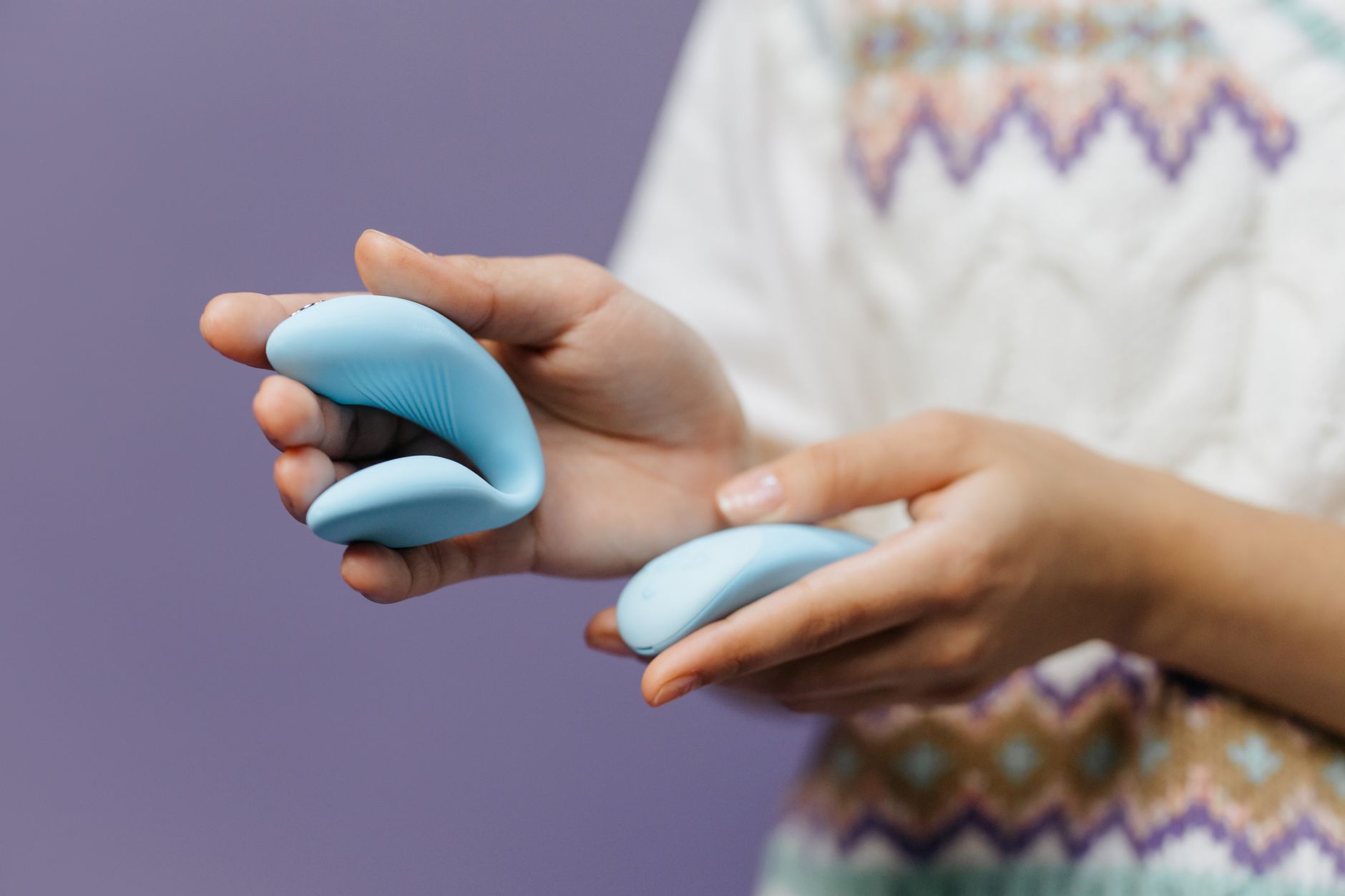
Instead of friction, suction-based vibrators use gentle waves of pressure to stimulate the clitoris. Think of it as a massage rather than a rub. The device creates a seal around the clitoral tissue and gently draws it upward in rhythmic pulses. No friction. No grinding. Just pressure and release.
For people with clitoral pain, this approach sidesteps the problem entirely. You get powerful stimulation without the tissue irritation that comes from direct vibration friction.
I recommend lemon sexual toys specifically because the design accommodates different clitoral sizes and shapes. You can angle it, adjust the depth of the seal, and control exactly how much tissue you're drawing in. That flexibility matters when pain is the issue.
Four specific adjustments to make before you use any clitoral vibrator when pain has been an issue.
Start with a warm shower or bath. Increased blood flow softens tissue and increases natural lubrication. A clitoris that's well-supplied with blood is more resilient and less likely to feel sharp pain. Ten minutes of warm water makes a measurable difference.
Use external lubrication even if you think you don't need it. Water-based lube reduces friction and gives your tissue a protective layer. It also makes a suction device more effective because it creates a better seal. Apply it generously to both the device and your clitoris.
Start with the lowest intensity setting. If your lemon vibrator has multiple intensity levels, begin on setting one. Let your clitoris acclimate. Intensity can increase once you're aroused and tissue is engorged. Pain on a low setting often means the device itself isn't right for you, not that vibration is wrong.
Position the device so you control the pressure. With suction toys, you hold it. You manage how much of your clitoris enters the device. If anything feels sharp, pull back slightly. The goal isn't maximum sensation. It's sustainable pleasure.
One pattern I see repeatedly: clitoral pain vanishes once arousal deepens.
When you're not yet aroused, clitoral tissue is less engorged with blood. It's smaller, tighter, and more reactive. Stimulation that would feel amazing when you're deeply aroused feels tender or painful when you're just starting.
This is why warm-up time matters. Spend 10-15 minutes on other kinds of touch before you introduce the vibrator. Touch your inner thighs, your breasts, your neck. Let arousal build gradually. By the time you bring a clitoral vibrator into the scene, your tissue is already primed. What felt painful during a cold start often feels incredible when you're already building toward something.
If pain is sharp, burning, or gets worse the more aroused you become, something else might be happening.
Genitourinary syndrome of menopause, vulvodynia, clitoral adhesions, and certain inflammatory conditions cause pain that doesn't disappear with better technique or more arousal. That pain is your body's signal that something needs medical attention, not more vibration.
See a gynecologist or a pelvic health specialist if your pain is consistent, intense, or happens during multiple types of stimulation. A good specialist can usually identify what's happening and offer solutions that actually work. Topical treatments, physical therapy, and sometimes medication can transform the experience from painful to pleasurable.
If you've experienced clitoral pain for a while, your brain has learned to anticipate it. Even after the physical cause resolves, you might still tense up in anticipation.
Rebuild confidence slowly. Start with clitoral vibrators that feel gentler (suction-based options like lemon adult toys are ideal here). Use them for only 3-5 minutes during arousal. Stop before anything hurts. The goal is to create a new neural pattern: clitoral stimulation equals pleasure, not pain.
Over weeks, your system will recalibrate. Arousal will increase faster. Tissue will respond more readily. Pain becomes less likely because your body isn't bracing against it.
Here's something most people miss: clitoral pain often gets worse when you're stressed or anxious.
When your nervous system is in fight-or-flight mode, your muscles tense, blood flow to the periphery decreases, and tissue becomes more reactive. You become more sensitive to pain and less able to experience pleasure. This is why clitoral sensitivity can spike during stressful periods.
Before you use a clitoral vibrator, check your baseline nervous system state. Are you relaxed? Are you in a safe, quiet space? Have you given yourself time to transition from work or stress? Five minutes of breathing or meditation before any intimate time can change clitoral pain from intense to barely noticeable.
No. Pain usually means your current technique or device isn't matching your clitoris's needs right now. Switching to a suction-based vibrator, using more lubrication, or adjusting your warm-up time often solves the problem. Very few people find that vibrators cause permanent damage. Most find that finding the right approach transforms pain into pleasure.
Not typically, because suction-based stimulation doesn't rely on friction. However, if your clitoris is acutely inflamed or if you have an underlying condition like vulvodynia, even gentle suction can feel uncomfortable. Start on the lowest setting, use plenty of lubrication, and stop immediately if pain feels sharp or burning rather than tender.
It depends on the cause. If pain is from friction sensitivity, switching vibration methods often helps within a few uses. If it's from hormonal changes or medication, it might take weeks or months as your body adjusts. If it's from a condition like vulvodynia or adhesions, medical treatment can take several months. Be patient with the process.
Often yes, but not always. Pain during partnered penetration might be pelvic floor tension or vaginal dryness, which is a different issue than clitoral sensitivity pain. But pain during direct clitoral touch usually indicates similar tissue sensitivity whether the touch is from a partner or a lem vibrator.
Water-based lubricants are the safest choice for all silicone toys. Hyaluronic acid-based lubes feel particularly smooth and protective. Avoid lubes with numbing ingredients like benzocaine if pain is your concern, because they mask sensations that might signal a real problem. You want to feel what's happening and adjust accordingly.
Pain with redness, discharge, or unusual odor suggests infection and needs medical attention. Pain from vibrator use alone, without other symptoms, is usually mechanical sensitivity, not infection. But when in doubt, see a healthcare provider rather than trying to self-diagnose.
Clitoral pain during vibrator use is frustrating, but it's rarely permanent. Most people who experience it find a solution within weeks of adjusting their approach. Start with the physical adjustments: warmth, lubrication, lower intensity, and better arousal. If pain persists after that, see a specialist to rule out underlying conditions.
Once you find what works, pleasure opens up in ways it hadn't before. And that's worth the troubleshooting.
If you'd like to explore this further or discuss how lemon clitoral vibrators might fit your specific situation, reach out. That's what I'm here for.