The desire gap nobody talks about
Seven years in, five years, fifteen years—the timeline varies. But the pattern is eerily consistent. You wake up one day and realize you haven't touched your partner in weeks, not because anything's wrong, but because... nothing's happening. No spark. No pull. The person you chose feels familiar in the way your kitchen feels familiar. You could navigate it in the dark, but you're not thinking about it.
This is what I see most often in my practice: not affairs or resentment or infidelity, but flatline desire. A mutual and quiet erosion that nobody names until someone finally says it out loud.
Here's what's actually happening: long-term relationships train our brains to stop seeing our partners as sexual beings. Familiarity breeds exactly that—familiarity. The novelty receptors that fired during early dating have calmed down. You know what they taste like, how they sound, what they're thinking before they say it. Your nervous system doesn't register excitement because there's no uncertainty. And sex, physiologically, requires a tiny bit of uncertainty to ignite.
The good news: you're not broken, your relationship isn't broken, and your desire hasn't disappeared. It's just hibernating. And there are concrete, actionable ways to wake it up again.
Why the desire gap feels different than other relationship problems
When communication breaks down, you can book a therapist. When resentment builds, you can address it directly. But flatline desire is slippery because it's not caused by a fight or a failure. It's caused by the sheer weight of being known.
Most couples try to fix this by planning date nights, which helps but rarely reignites sexual desire on its own. Date nights are about connection. Desire is about a different brain state entirely—one that involves surprise, a touch of vulnerability, and just enough novelty to make your nervous system perk up.
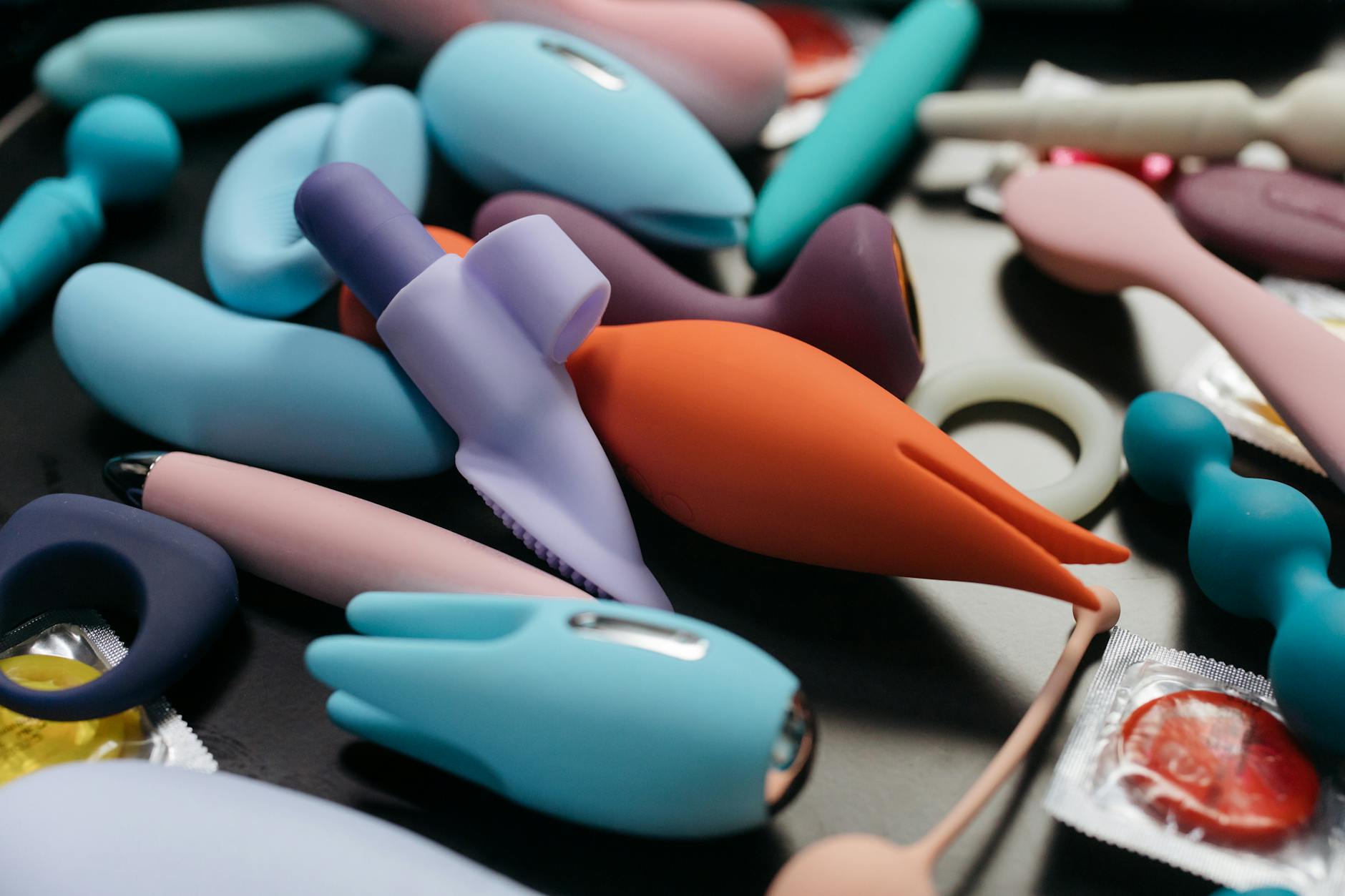
This is where tools like the Lem Sucker's clitoral vibrators actually change the equation. I'm not saying a device fixes desire. But a lemon vibrator can do something a date night alone cannot: it can interrupt the predictability loop long enough for genuine sensation to return.
The physiology of desire dropout in established couples
Let me get specific about what's happening in your body and your brain.
In early-stage relationships, dopamine floods the system when you anticipate touch from your partner. You get a text, your pulse quickens. You see them walk through the door, something in your chest shifts. Over time, the brain adapts to this stimulation. The same touch that once sent sparks now registers as baseline comfort.
Meanwhile, the anticipation itself—the not-knowing, the wondering if tonight will be the night—is what stokes desire. In a long-term relationship where you both know the rhythm, there's nothing to wonder about. You know exactly when it happens (if it happens), how long it lasts, what position comes next. The predictability is comfortable. It's also a desire killer.
Adding a new element—especially one that's intentional and slightly unfamiliar like a lemon vibrator or clitoral vibrators generally—can jolt this system back awake. Not because it's weird, but because it introduces a variable you haven't already mapped out.
How to introduce lemon vibrators without it feeling clinical
Here's where most couples stumble: they treat introducing a toy like a serious conversation. They sit down, they use words like "we should try," they make it into a Thing.
Instead, try this: lower the stakes to nothing.
If you're the one wanting to introduce the Lem Sucker's lemon clitoral vibrator, bring it into the conversation casually. "I saw this and thought it looked interesting. Want to try it together sometime?" That's it. You're not solving a problem. You're not announcing that desire is broken. You're suggesting an experiment.
The other partner's job is not to agree or disagree but to get curious. "What made you interested?" "How do you imagine using it?" These questions matter because they return you both to a state of not-knowing, which is where desire lives.
When you actually use it together, the key is mutual exploration. It's not about you using it on them while they lie back passively. That's still predictable. Instead, try this: both of you holding it, both of you deciding where it goes and how long it stays. Both of you making decisions in real time about intensity and position and rhythm.
This turns the toy from a performance tool into a conversation. And conversations in bed are where desire starts.
The anticipation rebuild—what happens before you even touch
One pattern I notice in couples with flatlined desire: they've stopped flirting. Not in the cheesy sense, but in the neurological sense. They've stopped creating space for the other person to be desired.
If you're planning to use lemon vibrators or any clitoral vibrators together, the magic doesn't start when you open the package. It starts days before. A text that's slightly suggestive. Sleeping closer than usual. Touching their shoulder while you pass. Mentioning (briefly, not overdoing it) that you're looking forward to trying something new.
This is the dopamine ramp-up phase. Your nervous system needs to start anticipating something different. When you finally get there, your body is primed, not because of the toy but because of the weeks of tiny signals that something is shifting.
For people who've been together a long time, this rebuild of anticipation is often the actual fix. The toy is just the permission structure that lets you behave differently.
What changes when you reintroduce active choice
In long-term relationships, sex often becomes something that happens to you rather than something you actively choose. You're tired, your partner initiates, you go along. Or you initiate out of obligation. Either way, you're not in a state of active desire. You're in a state of compliance.
When you bring in a clitoral vibrator like the Lem Sucker and use it intentionally together, you're forcing active choice back into the equation. Do you want it on this setting or that one? Do you want it here or there? Do you want to keep going or try something else? Each of those tiny choices is a vote that says, "I'm in this. I'm paying attention. I'm not just going through the motions."
That's not a small thing. Active choice rewires the experience neurologically. Your brain registers it as different. Your body responds accordingly.
The permission structure—why having a tool matters
Honestly, half of what a lemon vibrator does in a long-term relationship is give you permission to prioritize pleasure. In established couples, especially if you have kids or demanding careers, pleasure gets filed under "luxury" or "if we have time." You don't have time. Nobody has time.
But if you have a tool, it becomes intentional. It becomes something you scheduled. You got it out. You're actively using it. That structure—which is completely artificial but also completely functional—is what allows people to actually relax into sensation again.
I've had clients tell me that having a clitoral vibrator in the bedside drawer is like having a therapist sitting quietly in the corner. It doesn't do anything until you decide to use it. But its presence reminds you that pleasure matters enough to invest in.
Rebuilding sensation: the gradual reignition
When desire has been flatlined for a while, sensation can feel muted too. You might have sex and feel fine, but not feel much. This is normal. The nervous system adapts to routine and essentially turns down the volume on sensation.
Lemon vibrators and clitoral vibrators generally can help restore sensitivity because they introduce intensity in a way your body hasn't predicted. Use it on a lower setting first, just to let your nervous system remember what stronger sensation feels like. Gradually work up intensity as sensation returns.
The restoration phase usually takes a few weeks of consistent intentional touch. Don't expect instant fireworks. Expect gradual warmth returning. Expect noticing your partner's touch again. Expect your own body becoming a place you want to pay attention to.
When to get help beyond the vibrator
If after a month of genuine intentional use—together, without pressure, with actual curiosity—desire still hasn't shifted, something else might be in the way. Unspoken resentment. Untreated anxiety. Hormonal changes. Medication side effects. The tool can't fix those things. Conversation and sometimes professional support can.
Use the lemon vibrator as a signal, not a solution. If it helps, great. You've found something that works. If it doesn't, that information tells you to look deeper. Either way, you're being intentional about your desire instead of letting it atrophy by default.
The long game: maintaining desire once it returns
Here's what happens after desire reignites: couples often assume they're "fixed" and stop doing the things that rekindled it. They stop the flirting. They stop the intentional use. They assume the spark will sustain itself.
It won't. Desire in long-term relationships is not a permanent condition. It's a practice. It requires ongoing choices to prioritize novelty, anticipation, and sensation. That doesn't mean using a clitoral vibrator every time. It means remembering that desire needs active tending the way a relationship does.
The couples who maintain strong desire long-term aren't the ones who got lucky. They're the ones who decided that pleasure matters enough to keep investing in it.