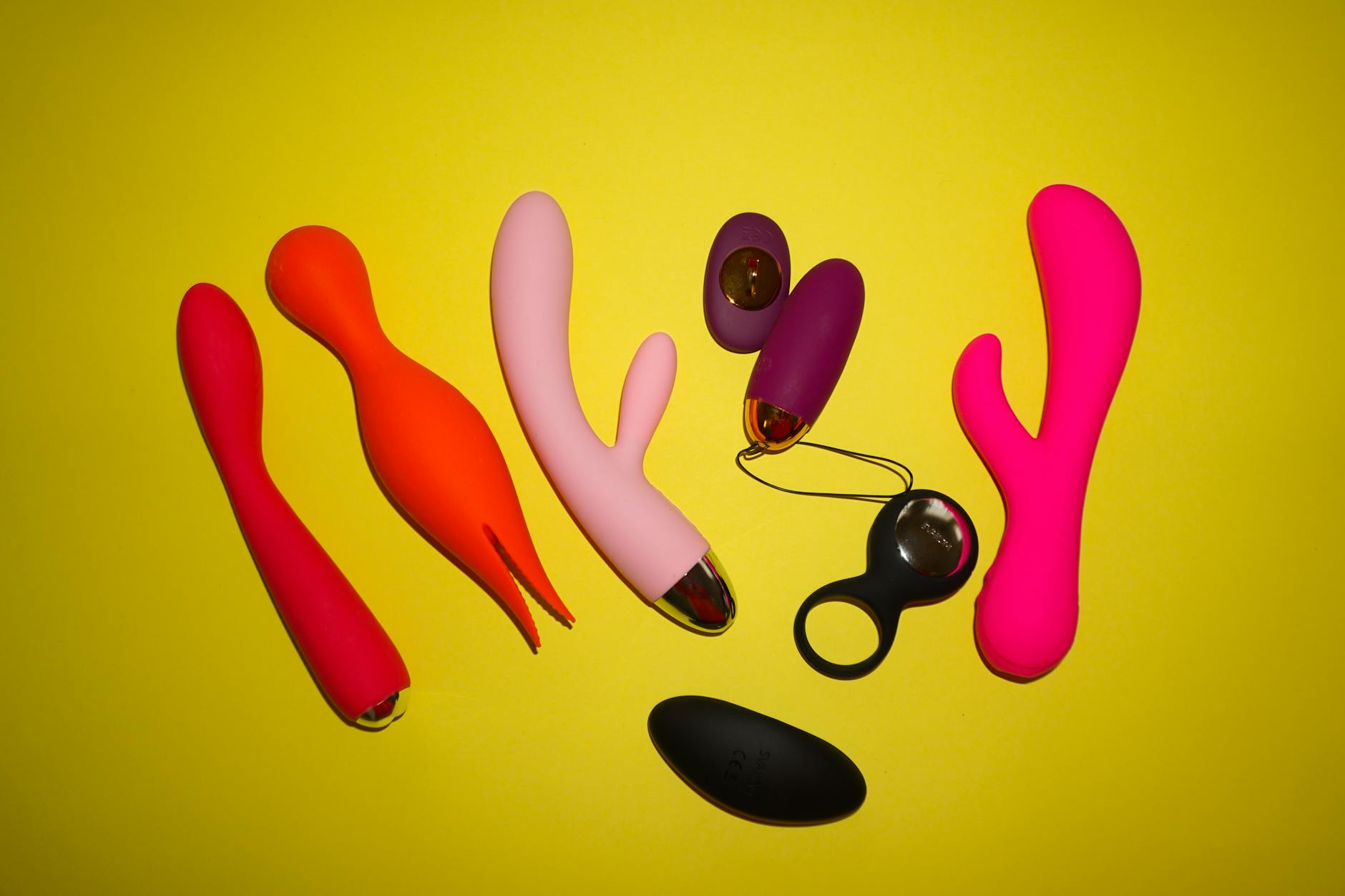
The complicated truth about grief and desire
Grief doesn't just break your heart. It breaks your libido, your sense of touch, your capacity to feel pleasure. When you're grieving, your body goes into a kind of shutdown mode. Everything feels distant. Even sensations that usually bring comfort can feel invasive or hollow.
This is completely normal. And it's also one of the least talked about parts of grieving.
Most people expect sadness, tears, anger. What catches them off guard is the numbness that sometimes follows. The weeks or months where you move through your life on autopilot, where intimacy feels like a foreign language, where your body doesn't respond the way it used to. If you have a partner, this silence can feel like another loss entirely. If you're solo, it can feel like you've been cut off from one of the few reliable sources of comfort and joy.
Here's what I want you to know: your body isn't broken. Grief is a full-system experience. When you're processing significant loss, your nervous system is in protection mode. Pleasure requires presence. It requires your nervous system to say yes, to be available. Grief says no, not now, not yet.
What happens in your body when grief numbs pleasure
When you experience loss, your body floods with cortisol and stress hormones. At the same time, the neurotransmitters that drive desire, arousal, and orgasm drop. Dopamine, serotonin, oxytocin. All of them take a hit. This isn't depression (though grief can lead there). This is your nervous system responding to threat and loss exactly as it should.
The clitoris itself doesn't stop working. But the neural pathways that carry sensation to pleasure often get quieter. Touch that usually registers as pleasant might feel numb. Or it might feel too much. Both are grief talking.
This is why generic advice about