When stress shuts down desire, it's not always the relationship
Here's the thing nobody mentions: low libido from relationship tension isn't actually about your body or your capacity for pleasure. It's about your nervous system deciding that vulnerability isn't safe right now. When there's unresolved conflict, cold silences, or just the grinding exhaustion of a relationship that's drifted, your body doesn't produce the neurochemical openness that desire requires.
This is fixable. And it doesn't require relationship repair first.
How relationship stress affects arousal at a biological level
When you're in conflict with a partner, cortisol rises. Cortisol is the stress hormone that literally competes with the neurotransmitters responsible for arousal. Your brain is running a threat-detection program—it doesn't care that the threat is emotional rather than physical. From a nervous-system perspective, being angry or withdrawn from someone feels dangerous, and dangerous situations don't prioritize reproduction.
Additionally, relationship tension triggers attachment anxiety. You might be waiting for them to reach out, wondering if they're still invested, or feeling the weight of unspoken things. All of that mental load eats the cognitive and emotional space that arousal needs.
The result: you don't want sex. You don't want intimacy. You want the fight to end, or you want them to understand you, or you just want to sleep. None of which is a personal failure or a sign your relationship is over. It's just how mammalian nervous systems respond to relational distress.
Why solo exploration with a lemon clitoral vibrator helps first
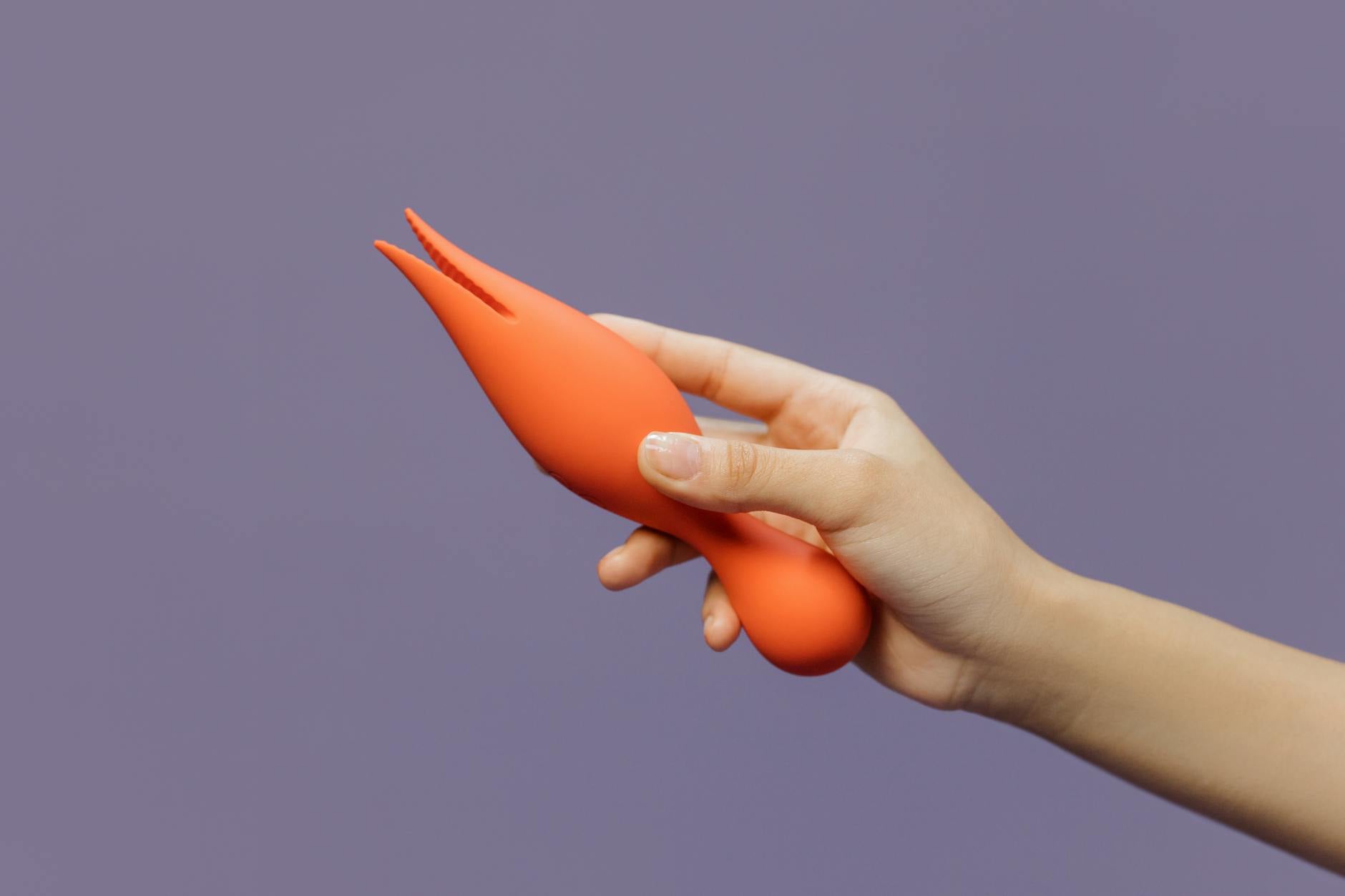
Lemon sexual toys like The Lem are designed for precise, gentle stimulation that doesn't require you to be in a particular emotional state. You're not performing for anyone. You're not managing their pleasure or waiting for them to match your rhythm. You're just meeting your own body where it is.
When you use lemon vibrators solo during a stressed period, you're doing three things neurologically:
1. You're proving to your nervous system that pleasure is still accessible. This sounds basic, but it's essential. When desire has flatlined from relationship tension, your brain can convince you that sex is impossible right now. Masturbation with The Lem breaks that narrative. You find sensation, release, maybe even arousal. That data shift is powerful.
2. You're building a pleasant association with your own body independent of your relationship. Right now, your body might feel like territory contested by the relationship—a place where intimacy got tangled up in conflict. Solo sessions reclaim that. You're practicing pleasure as a personal resource, not a relational obligation.
3. You're genuinely releasing cortisol and triggering oxytocin locally. Orgasm reduces stress hormones and increases attachment and bonding chemicals. But here's the crucial part: those chemicals can recalibrate your nervous system enough that you feel less defensive around your partner. Not overnight, but noticeably within a few solo sessions.
The practical approach: timing and pacing
Don't use lemon vibrators as a performance test ("If I can orgasm, we're fine"). Instead, think of it as nervous-system work.
Pick a time when you're alone and your partner isn't in the house. Not because secrecy is necessary, but because your nervous system needs permission to fully relax. If there's even background awareness that they're three rooms away, your body stays semi-contracted.
Start without specific arousal goals. That sounds counterintuitive with a clitoral vibrator, but when libido is suppressed by stress, goal-oriented sex deepens the anxiety. Instead, spend the first few minutes on non-sexual touch. Feel your own body. Notice temperature, texture, any sensation that isn't about achieving anything.
Then introduce The Lem at a lower intensity (usually patterns 1 or 2 on most lemon vibrators). You're looking for curiosity, not climax. Some days you'll find arousal quickly. Other days you'll use it for five minutes, feel nothing, and that's completely fine. You're rewiring your nervous system's trust in your own body, not hitting a performance metric.
When to expand back to partnered touch
This is the part where timing matters. Don't jump back into partnered sex the moment your solo sessions feel good. That's your nervous system finding comfort with you, not readiness for vulnerability with your partner.
Instead, use solo lemon vibrator sessions as a bridge. You might spend a week or two reconditioning your body to pleasure. Then, when you're feeling genuinely more open (not obligated, but actually interested), you can introduce partnered intimacy.
Start small. Not penetrative sex. Not performance. Maybe 15 minutes of kissing or non-sexual touch while you're both present and non-defensive. Your partner doesn't need to touch the vibrator or manage the experience. They just need to be there, warm and present, while you practice feeling safe with them again.
If you're using lemon clitoral vibrators during this reconnection phase, you might find that your partner's presence shifts the sensations. The same vibrator that felt muted three weeks ago suddenly feels different. That's not physical. That's nervous-system permission finally showing up.
The conversation that has to happen (solo or couple)
You don't have to tell your partner about solo lemon vibrator sessions if you're not ready to. But you do need to address the actual conflict at some point. Low libido from relationship stress is a symptom, not a solution. The vibrator helps unblock your nervous system, but if the underlying conflict stays buried, libido will flatline again.
When you're ready, the conversation might sound like: "We've been in a rough place, and I've noticed my body has shut down around intimacy. I'm using some time alone to reconnect with my own pleasure so I feel less defended. I want us to find our way back to each other, and I think starting with non-pressured time together would help."
You're not blaming them. You're not making your pleasure their responsibility. You're naming the dynamic and proposing a path forward that starts with your own nervous system work.
What happens if the conflict is bigger than low libido
Sometimes relationship stress is surface turbulence. Sometimes it's a fundamental incompatibility or a pattern of harm. Lemon vibrators can't fix infidelity, emotional abuse, or a partner who refuses to engage in repair. What they can do is help you clarify whether your low libido is about temporary distance or about a relationship that no longer fits.
When you've had several solo sessions with The Lem and arousal still feels impossible, even alone, that's usually information. Your body might be telling you something about the relationship itself. That's not a reason to panic. It's a reason to be honest about whether this partnership is worth rekindling.
But most of the time, when couples are in conflict but still invested in each other, reconnecting with solo pleasure through lemon clitoral vibrators genuinely does help restart the engine. Your nervous system unwinds. Desire becomes possible again. And then you can do the harder work of talking and rebuilding.
FAQ
Can using a lemon vibrator alone make my partner think I don't want them?
Not if you're honest about what you're doing. In fact, you might find that reclaiming your own pleasure makes you feel more confident and available. Many people report that partnered intimacy improves after they've done solo work. Your partner's insecurity about the vibrator is a separate conversation worth having, but your pleasure isn't theirs to gatekeep.
How often should I use lemon vibrators when I'm stressed about my relationship?
There's no magic number. Some people find that 2-3 sessions a week feels right. Others prefer daily. The goal isn't frequency, it's consistency. You're building evidence that your body is still capable of pleasure. Three solid sessions where you actually feel something beats seven rushed sessions where you're checking a box. Listen to your body's interest, not a plan.
What if using a lemon clitoral vibrator makes me feel guilty?
That's worth examining. If you're in a relationship where solo pleasure feels forbidden or shameful, that's not actually a low-libido problem. That's a control problem. Healthy relationships make space for autonomous pleasure. If your partner is punishing you for masturbating or has explicitly forbidden it, that's a dynamic worth addressing with professional support, possibly couples therapy.
Can The Lem actually help if the relationship is genuinely over?
Yes, but differently. If you're using lemon vibrators to reconnect with yourself after a breakup or during the process of leaving a relationship, that's valuable nervous-system work. You're reclaiming your body as yours, not as territory negotiated within a failed relationship. The difference is intention: are you trying to save the relationship, or are you trying to heal yourself?
How long before relationship stress stops affecting my libido?
Once the conflict is actively being repaired or resolved, arousal usually starts returning within a few weeks. Your nervous system needs to feel safety again. That happens through consistent, kind behavior from your partner, through genuine conversation, and through time. The lemon vibrator helps your body remember it's capable of pleasure during that waiting period, which actually speeds up the nervous-system reset.
Should I use a lemon vibrator before or after talking to my partner about the conflict?
Both, actually. Use it before and during the repair process. Solo pleasure work helps you feel less desperate or resentful during the conversation. You're coming from a place of "I'm taking care of myself" rather than "I need you to fix me." That shifts the whole dynamic. Your partner will feel less blamed, and you'll feel less victimized. The conversation becomes collaborative rather than adversarial.
The path forward
Low libido from relationship stress is a protection mechanism, not a character flaw. Your body is trying to keep you safe by not opening up when trust feels shaky. The way out isn't willpower or guilt. It's nervous-system repair, which starts with you and lemon clitoral vibrators, and then gradually expands to include your partner again.
Start solo. Reconnect with what your body can feel. Then, when you're ready and the relational work is underway, extend that pleasure back toward partnership. The Lem and other lemon vibrators aren't a substitute for addressing the conflict. They're a bridge across the gap while you do that harder work.
Your pleasure matters. Your body's signals matter. And you deserve to feel desire again, even if it takes a few weeks of solo reconnection to get there.